
How AI Enhances Music Production and Composition
Understanding AI in Music
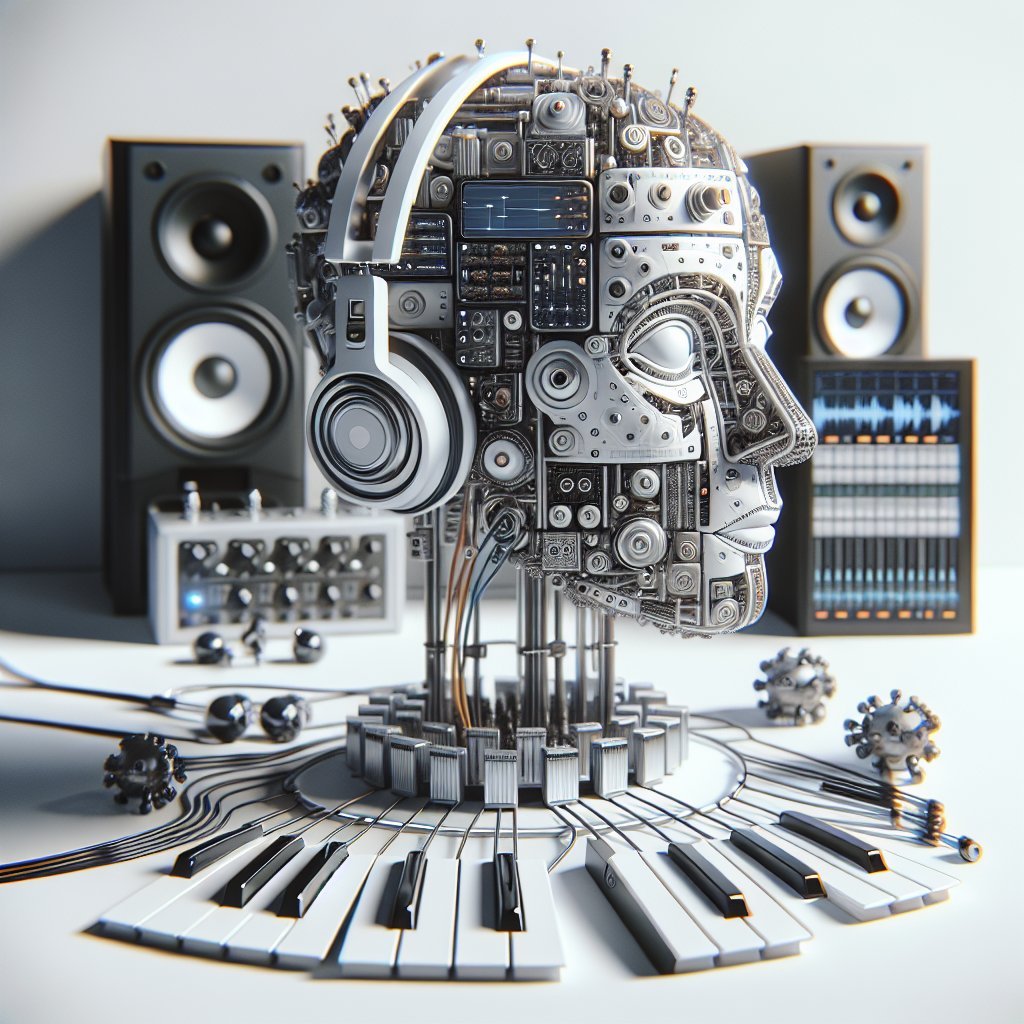
Artificial Intelligence (AI) has made deep inroads into numerous industries, and music production is no exception. By employing machine learning algorithms, AI analyzes massive datasets, recognizes patterns, and consequently assists musicians in the composition and production of music. The fusion of AI with music offers undeniable advantages, enhancing the creative process, performance accuracy, and production efficiency.
AI in Composition
One of the most exciting applications of AI in music composition is its ability to generate melodies, harmonies, and even entire songs autonomously. Tools such as OpenAI’s MuseNet and Google’s Magenta have taken advantage of neural networks—systems inspired by the human brain—to create musical compositions in various genres.
1. Rapid Song Generation
AI algorithms can produce music within minutes, eliminating writer’s block for artists. These AI systems often analyze thousands of compositions to understand genre-specific traits, thereby generating tunes that resonate deeply while maintaining originality.
2. Style Adaptation
A unique advantage of AI is its ability to imitate diverse musical styles. Musicians can input a sample of their favorite genre, and AI can adapt compositions to fit that style. This feature provides both a starting point for new compositions and an expanded palette for experimentations.
3. Collaborative Composition
AI can act as an intelligent collaborator. By analyzing a musician’s previous work, AI can suggest harmonies or melodies that complement the existing structure, effectively functioning as a digital assistant. This collaboration between AI and artists can lead to unexpected and innovative music pieces.
AI in Production
The integration of AI into production tools enhances many aspects of the music-making process.
1. Intelligent Mixing and Mastering
AI-driven software tools like LANDR and eMastered leverage machine learning algorithms to improve the mixing and mastering processes. These tools analyze numerous audio tracks and commercial releases, learning the subtleties of balance, EQ, and dynamics. They can suggest optimal settings, significantly reducing the time previously required for manual adjustments.
2. Enhancing Audio Quality
AI models can also enhance audio quality by analyzing sound recordings, reducing noise, and improving clarity. With datasets that encompass various acoustics, the AI can identify distortions and remedy them, which is invaluable for both home studio setups and professional settings.
3. Sound Design
Advanced AI systems facilitate sound design by creating unique samples or synth patches. With generative adversarial networks (GANs), composers can generate novel sounds that might not be achievable through traditional synthesis techniques. This opens up a new dimension for sound exploration.
AI in Personalizing Music Experiences
In our digital era, the personalization of music experiences is paramount.
1. Tailored Playlists and Recommendations
AI algorithms power platforms like Spotify and Apple Music, recommending songs, albums, and playlists based on users’ listening habits. Machine learning considers user preferences and behaviors to curate personalized listening experiences, keeping audiences engaged longer.
2. Music for Mental Health
AI-generated playlists based on user mood can enhance therapeutic practices. By analyzing historical data from users, AI platforms can create playlists that resonate emotionally, providing a curated soundscape for relaxation, focus, or even motivation.
3. Interactive Music Experiences
AI can also create interactive musical experiences, allowing listeners to influence the direction of a song by making choices in real-time. This technology marries music with gaming, creating a unique form of entertainment that fosters greater audience engagement through active participation.
Challenges of Using AI in Music
While the advantages of AI in music production are undeniable, some challenges exist.
1. Originality and Copyright Issues
As AI-generated music becomes more prevalent, debates concerning originality and copyright intensify. Determining the creative ownership of songs created in collaboration with AI poses significant legal challenges that are still being addressed.
2. Emotional Depth in Music
Critics argue that AI lacks the ability to infuse genuine emotional depth into compositions, often leading to music that feels algorithmically sterile. While AI can mimic patterns, it does not possess human experiences and emotions, which can limit its impact.
3. Dependence on Technology
Over-reliance on AI tools may stifle creativity, where musicians might lean heavily on AI-generated content instead of developing their own compositional skills. Striking a balance between technology and human creativity is critical to sustaining artistic integrity.
The Future of AI in Music
As the intersection of AI and music continues to evolve, we can anticipate various exciting developments:
1. Enhanced Collaboration Tools
Future AI systems will provide even more sophisticated tools for collaboration, allowing musicians to work seamlessly with AI in a transformative way. The process of co-creation will flourish, fostering a landscape where the boundaries between human and machine-created music continue to blur.
2. Expanding Educational Opportunities
AI can serve as a powerful educational tool in music theory and composition. Applications will likely emerge that provide on-the-spot feedback on compositions, enhancing learning experiences for aspiring musicians and producers.
3. Sustainable Music Practices
AI can also play a role in promoting sustainable practices within the music industry. By optimizing production processes and reducing resource consumption, it can help artists and producers maintain an eco-friendly approach while creating high-quality music.
Conclusion
The integration of AI into music production and composition has transformed how artists create and produce music. While it offers diverse opportunities for innovation and efficiency, the balance between leveraging technology and maintaining human creativity remains pivotal. As advancements continue, the synergy between AI and musicians is expected to flourish, ushering in a new era of musical creativity.