
Maximize Your Small-Space Workspace: Essential Principles
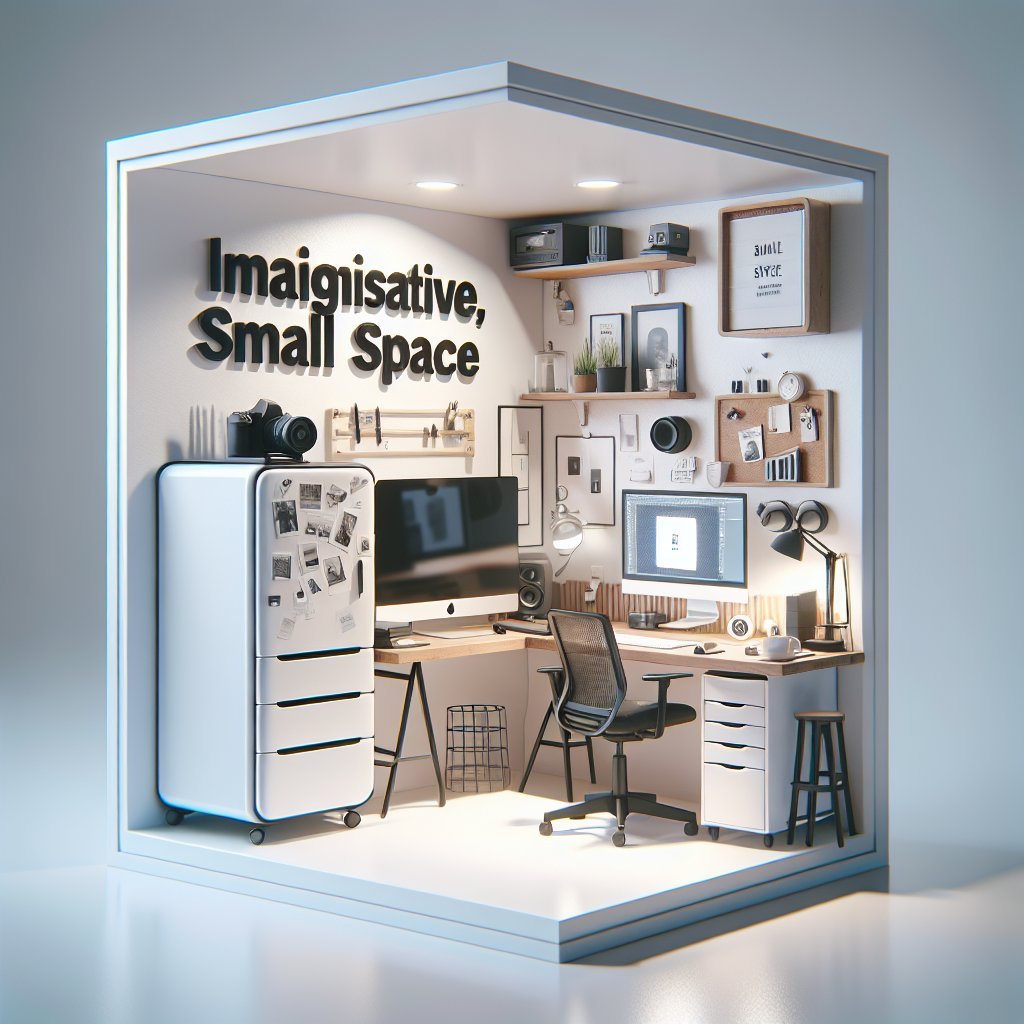
For freelance designers working in compact apartments or spare corners, optimizing a workspace means balancing functionality, comfort, and creativity. Prioritize these principles: declutter visually, define zones, use vertical space, and prioritize ergonomics. Clear surfaces improve focus; a dedicated design zone—even a fold-down desk—signals to your brain that it’s time to work. Vertical shelving, pegboards, and wall-mounted organizers reclaim floor area while keeping tools within reach. Ergonomic seating and monitor placement prevent long-term strain and sustain productivity.
Smart Furniture Choices
Choose multifunctional and foldable furniture. Wall-mounted desks, convertible sofas with integrated storage, and nesting tables offer flexibility. Consider a standing desk converter for small desks to alternate posture without extra footprint. Floating shelves and slim filing cabinets under desks maintain storage without bulk. Look for furniture with cable-management features and adjustable heights to accommodate varied tasks like sketching, coding, or client meetings.
Lighting Techniques to Enhance Focus and Color Accuracy
Lighting dramatically affects design work. Maximize natural light by positioning the workspace near windows and using sheer curtains to diffuse glare. Add layered artificial lighting: warm ambient lights for general comfort, adjustable task lamps for precise work, and a daylight-balanced LED for color-critical tasks. Use dimmable fixtures and color-temperature adjustable bulbs to match different parts of the day and to maintain accurate color perception when working on design proofs.
Compact Tech and Peripheral Strategies
Optimize tech to fit limited space. Use a single high-resolution monitor or a detachable portable monitor that mounts when needed. Docking stations consolidate laptop connections and reduce cable clutter. Wireless peripherals free desk space; choose compact keyboards and vertical mice designed for small hands. Invest in a laptop stand to lift the screen to eye level and save desk area underneath for storage. For designers, color calibration tools and a small color swatch organizer ensure consistent output without occupying much room.
Storage Solutions That Double as Design Statements
Storage should be purposeful and attractive. Floating cube shelves, open crates, and labeled baskets keep materials accessible and visually organized. Use magnetic strips for metal tools and vertical file organizers for papers and pads. Transparent containers help you see contents at a glance while maintaining a tidy aesthetic. Convert an unused closet into a mini-studio with roll-out shelves and pegboard walls, or use the back of a door for hanging supplies. Consider furniture that hides storage—benches with compartments, ottomans, and desks with built-in drawers.
Acoustic and Privacy Considerations
Noise control is essential for client calls and concentration. In small spaces, soft surfaces reduce reverb: rugs, curtains, upholstered panels, and bookcases full of books. Portable acoustic panels or folding screens create a dedicated audio-friendly zone and can be moved when space is needed. Use headphones with a built-in microphone to maintain audio clarity for remote meetings. For visual privacy during video calls, set up a neutral, branded backdrop that reflects your design sensibility.
Workflow and Zone Organization
Design efficient workflows by creating task-based zones even within a tiny area: a primary screen area for digital work, a sketching nook for analog ideation, and a client-facing corner for meetings. Keep daily-use items within arm’s reach and seasonal or project archives in higher or lower storage. Regularly audit supplies to avoid accumulation; adopt a “one-in, one-out” rule for nonessential materials. Visual cues like color-coded bins and labeled shelves speed up retrieval and minimize time wasted searching.
Maximizing Color and Inspiration Walls
Small spaces can’t sacrifice inspiration. Create a rotating inspiration wall using a rail or magnetic paint, allowing you to swap mood boards, fabric swatches, and client references without tape or pins. Use a narrow picture ledge to display recent prints and rotate pieces seasonally. Keep a slim portfolio binder nearby for quick client presentations. Incorporate plants for biophilic benefits—small succulents or a trailing plant on a high shelf add life without consuming precious desk space.
Cable Management and Minimalist Aesthetics
A tidy cable setup both improves aesthetics and reduces stress. Use adhesive cable channels under desks, velcro ties, and labeled cords to streamline your setup. Choose minimalist desk accessories in neutral tones to reduce visual clutter and let your work take center stage. Magnetic mounts for small tools and a slim desk mat define your work area and protect surfaces while keeping the look cohesive.
Flexible Scheduling and Use of Shared Spaces
If home space feels limiting, consider hybrid options. Schedule client meetings at a co-working space or coffee shop for variety and professional front-facing interactions. Look for local design collectives that offer equipment access like large-format printers or studio lighting for one-off projects. Use home workspace primarily for focused creative work and planning, reserving external spaces for collaboration and client presentations.
Budget-Friendly Upgrades with High Impact
Small investments can drastically improve comfort and output. A quality ergonomic chair, a calibrated monitor, an adjustable lamp, and a compact storage cart offer high returns. Secondhand markets and upcycled furniture often yield unique pieces at lower cost. DIY options—like painting pegboards or building a custom shelf—allow personalization and functionality. Prioritize investments that reduce friction in daily tasks and enable longer, healthier work sessions.
Maintenance Habits to Sustain Productivity
Adopt weekly micro-cleanups: clear surfaces, update project boards, and audit cables. Monthly reviews of storage ensure relevance of materials and tools. Back up digital files to cloud storage and maintain a physical backup of critical prints in a protective folder. Schedule breaks and micro-exercises to counter sedentary habits, and keep a small toolkit for quick fixes to furniture or tech. Consistent upkeep preserves the efficiency and aesthetic of a compact workspace, letting freelance designers focus on creative output.
Leverage productivity tools and routines: time-block creative sprints with the Pomodoro technique, maintain a prioritized project board, and automate repetitive tasks using templates, scripts, or design system components. Track billable hours with simple apps and set clear boundaries with clients about response times. Regularly invest time in skills development and portfolio updates; small, consistent learning sessions compound into stronger offerings and more competitive freelance rates. Celebrate small wins to sustain momentum.