
Balancing Technology and Creativity: AI’s Role in Art
The Intersection of AI and Art
Artificial Intelligence (AI) is revolutionizing countless sectors, and the art world is no exception. The infusion of technology into creative processes raises questions about authenticity, originality, and the role of the artist. Artists and technologists are exploring how AI can enhance creative expression while preserving the essence of human creativity.
Evolution of AI in Art
The integration of AI into art is not entirely new. It dates back to the 1960s when artists began using algorithms to create generative art. However, with advancements in machine learning and neural networks, AI’s capabilities have skyrocketed, allowing it to analyze vast datasets of art history, styles, and techniques. This evolution has led to sophisticated tools that can generate images, music, and even literature autonomously.
AI-Generated Art: A New Medium
AI-generated art often utilizes deep learning models, such as Generative Adversarial Networks (GANs), where two neural networks compete to produce increasingly sophisticated outputs. This technology has given rise to striking pieces that mirror human creativity, raising essential questions about authorship and value in the art world.
Artworks Created with AI: Notable examples include the portrait “Edmond de Belamy,” created by Paris-based art collective Obvious, which sold for an impressive $432,500 at Christie’s auction. This piece exemplifies how AI can create work that’s perceived to possess aesthetic value, blurring the lines between human and machine creativity.
Collaboration Between Artists and AI
The most effective use of AI in art is often seen when artists collaborate with these technologies, utilizing AI as a tool to enhance creativity rather than replace it. Artists like Refik Anadol leverage AI to create immersive installations, blending data with visual art to explore themes of memory and perception.
Case Study: Refik Anadol’s Work
Refik Anadol’s installations make use of machine learning algorithms to process large sets of data, transforming them into stunning visual displays. These works stimulate an emotional response, highlighting the synergy between human creativity and machine intelligence. By embracing AI, artists can push the boundaries of traditional art forms, opening avenues for innovative expressions.
Challenges and Ethical Considerations
While AI has much to offer, several challenges must be navigated. The first is the concern of originality. As AI learns from existing works, it can echo or replicate styles, leading to debates about whether AI-generated art can truly be considered original or merely a sophisticated remix of existing works.
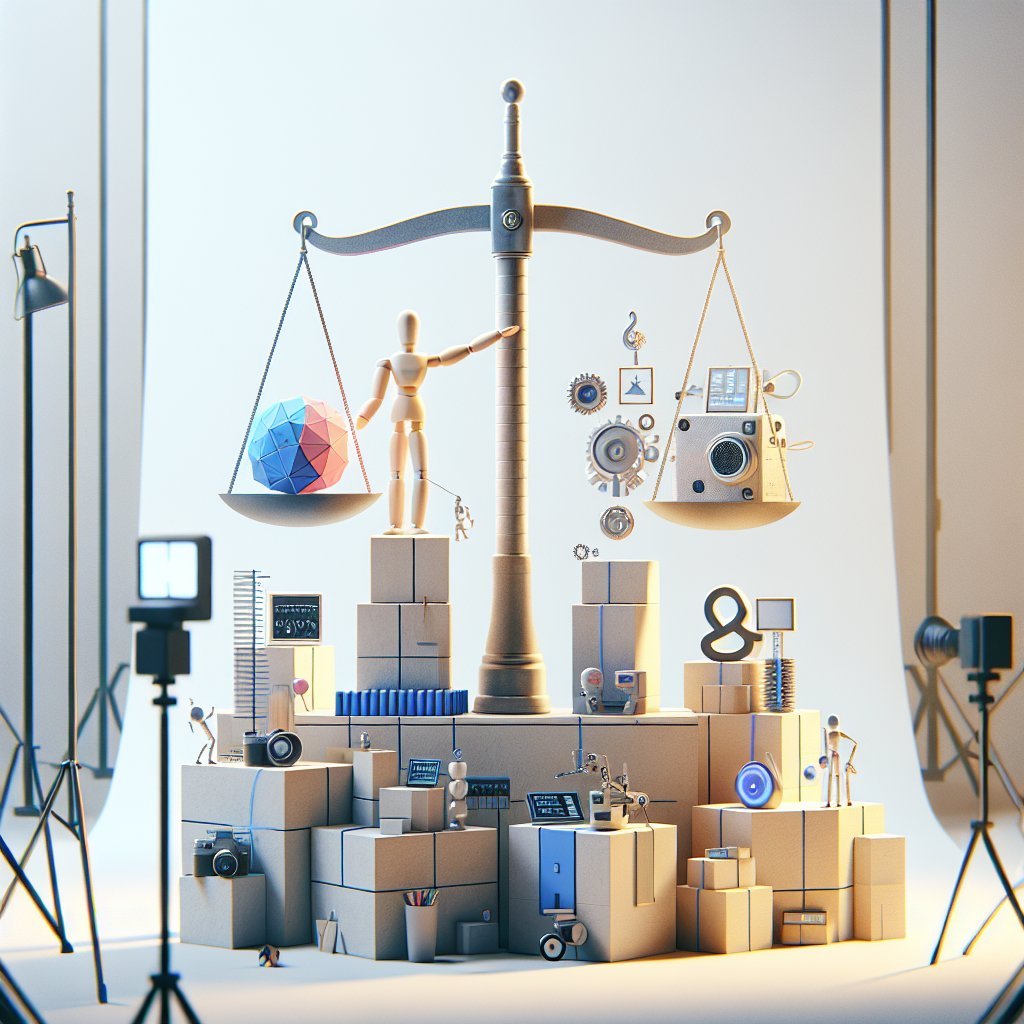
Copyright Issues: The legal landscape surrounding AI-generated art remains murky. Given that AI derives its knowledge from pre-existing artworks, questions arise: Who owns the rights to an AI-generated piece? The software developer, the artist who prompted its creation, or the AI itself? Addressing these legalities is crucial for the future of AI in the art sector.
Authenticity and Value: Art has traditionally been valued for its uniqueness and the human experience behind it. The prospect of artworks created by an algorithm challenges these notions. Collectors and critics grapple with determining the value of AI art compared to traditional works, unveiling a host of psychological and economic implications.
Enhancing Artistic Processes
AI is not solely a creator; it can also serve as a facilitator in the artistic process. Various AI tools assist artists in brainstorming ideas, composing music, or even providing feedback on their work. These tools can stimulate creativity, allowing artists to experiment freely without the constraints often felt during the creative process.
Generative Design in Architecture: In fields like architecture, AI is transforming design processes through generative design algorithms. These systems enable architects to input parameters such as material type, budget, and structural integrity, generating countless design alternatives for consideration, ultimately fostering more innovative architectural solutions.
Democratizing Art Creation
AI has the potential to democratize art-making, making it accessible to those who may lack traditional skills or training. Platforms utilizing AI can offer users the ability to create compelling visuals or music at the click of a button, empowering a new generation of artists who may not have had the opportunity to engage with the arts.
User-Friendly Platforms: Programs like DALL-E and DeepArt allow anyone to create stunning artworks by merely describing their vision in words. This democratization can lead to a diversification of artistic voices and ideas while fostering a broader appreciation for the arts across different demographics.
The Future of AI in Art
As AI technology continues to progress, its role in art will undoubtedly expand. Future developments may involve more refined AI systems that can perceive context, emotion, and cultural nuances, further enhancing their ability to collaborate with human artists.
AI as a Curator: AI may not only serve as an art maker but also as an art curator. Algorithms that analyze audience preferences and emerging trends can guide exhibition designs, shaping the future landscape of art galleries and museums.
Customized Experiences: Personalization of art experiences is another potential evolution. AI could tailor exhibitions or performances to individual viewer preferences, creating unique immersive experiences that resonate deeply with audience members.
Final Thoughts
AI’s integration into the art world poses fascinating questions and challenges that artists, curators, and technologists alike are navigating. The balance between embracing technology and nurturing creativity requires a thoughtful approach, ensuring that the core essence of art—that of human experience, expression, and connection—remains intact. As AI continues to evolve, the narrative surrounding its role in art will be a rich tapestry of collaboration, ethical considerations, and endless possibilities for the future of creative expression.