
Revolutionizing E-commerce: AI Automation of Inventory Management
Understanding Inventory Management in E-commerce
Inventory management is the backbone of any e-commerce business. It involves overseeing the flow of goods from manufacturers to warehouses and ultimately to the customers. Efficient inventory management optimizes stock levels, reduces costs, and enhances customer satisfaction. Traditional inventory management methods often rely on manual processes that are time-consuming and prone to errors. The advent of artificial intelligence (AI) is heralding a new era of automation, improving accuracy and efficiency in inventory management.
The Role of AI in Inventory Management
AI technology uses algorithms and machine learning to analyze vast amounts of data and identify patterns that can predict future inventory needs. By integrating AI into inventory management, businesses can gain deep insights into sales trends, seasonal demands, and customer preferences, leading to smarter decision-making.
Demand Forecasting
AI excels at demand forecasting, a critical aspect of inventory management. By analyzing historical sales data and external factors such as market trends, economic indicators, and even weather conditions, AI systems can predict future demand with remarkable accuracy. This level of precision allows businesses to maintain optimal stock levels, reducing both overstock and stockouts.
For instance, retailers like Amazon and Walmart leverage AI algorithms to analyze customer buying behavior, allowing them to anticipate demand spikes during peak shopping seasons such as Black Friday and Christmas.
Real-Time Inventory Tracking
AI-powered tools can offer real-time inventory tracking solutions. Utilizing technologies such as RFID (radio-frequency identification) and IoT (the Internet of Things), retailers can monitor inventory levels continuously. This capability ensures that businesses have up-to-date visibility into their stock, minimizing the risk of errors and discrepancies.
For example, when a customer places an order, an AI system instantly updates the inventory levels across all sales platforms, maintaining consistency and transparency.
Reducing Human Error
One of the significant advantages of AI automation in inventory management is its ability to reduce human error. Manual tracking and data entry can lead to mistakes that result in financial losses and customer dissatisfaction. Implementing AI solutions minimizes these risks by automating mundane tasks and providing accurate data analyses.
Streamlined Supply Chain Management
AI does not just enhance inventory management; it optimizes the overall supply chain. With AI, businesses can engage in predictive analytics to improve collaboration with suppliers. By forecasting demand accurately, businesses can communicate with suppliers more effectively, ensuring timely replenishment of stock.
Personalized Customer Experiences
AI automation transforms inventory management into a more customer-centric operation. By analyzing customer data, AI can suggest personalized promotions and recommendations based on past purchases and browsing behavior. For example, if a customer frequently buys a specific brand of sneakers, an AI system can alert them when new styles become available, ensuring a personalized shopping experience that boosts customer loyalty.
Tools and Technologies Shaping AI Inventory Management
Several innovative tools and technologies are driving the AI revolution in inventory management:
-
Predictive Analytics Software: Solutions like SAP Integrated Business Planning use predictive analytics to improve demand forecasting and inventory optimization.
-
Automated Replenishment Systems: Tools like Stitch Labs employ automated replenishment algorithms that adjust inventory levels in real-time based on predictive demand analysis.
-
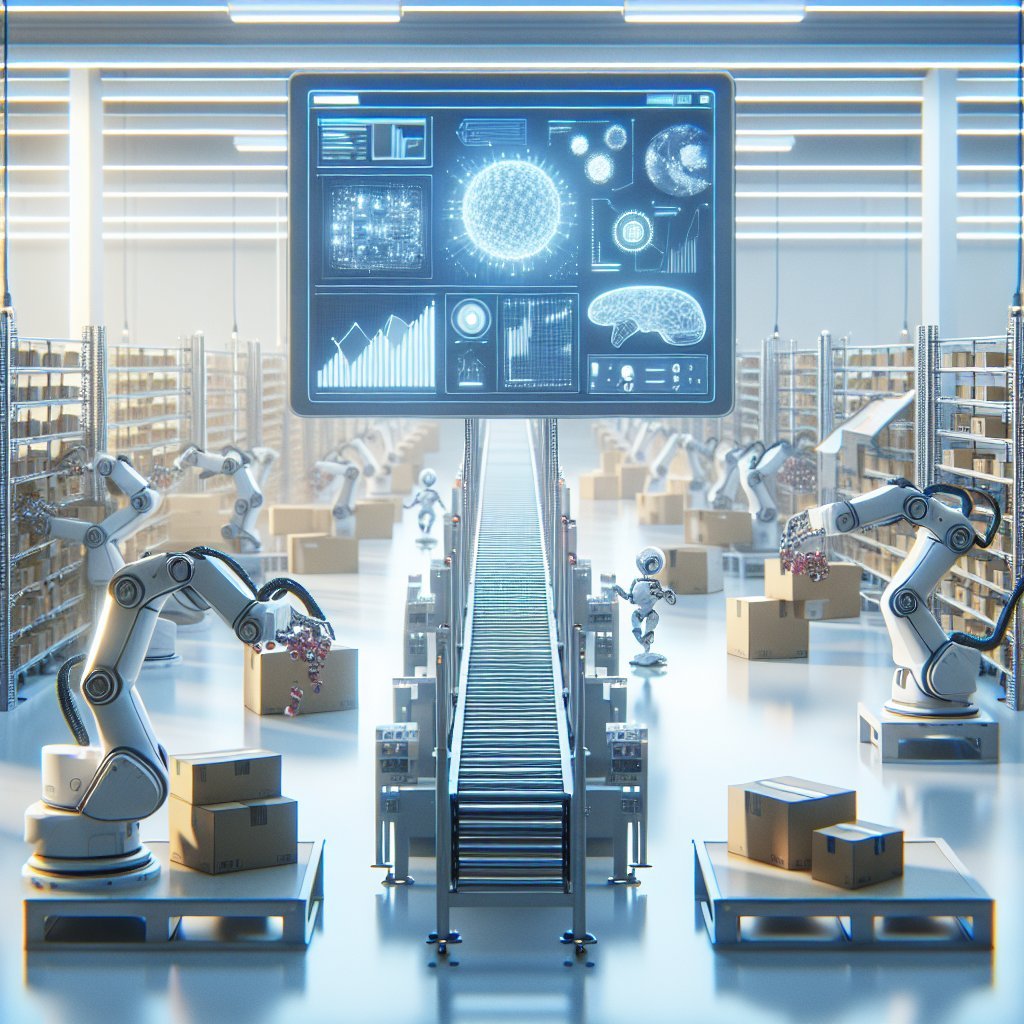
Robotic Process Automation (RPA): RPA can automate routine tasks, freeing up employees to focus on strategic activities instead of manual inventory counting.
-
Machine Learning Algorithms: These algorithms can evaluate historical data and learning patterns to refine inventory management continuously.
- Warehouse Management Systems (WMS): Advanced WMS solutions incorporate AI to optimize storage locations, automate picking processes, and streamline order fulfillment.
Challenges of Implementing AI in Inventory Management
Despite its advantages, several challenges exist in the adoption of AI in inventory management:
-
Data Quality: AI systems rely on high-quality data. Poor data can lead to inaccurate predictions, affecting business decisions.
-
Integration: Most e-commerce businesses will have existing inventory management systems. Integrating AI solutions with these systems can be complex and require significant investment in technology and training.
-
Employee Training: To leverage AI effectively, employees need training and ongoing support to adapt to new technologies, which can incur additional costs.
- High Initial Costs: While AI can lead to long-term savings, the initial costs of implementation can be a barrier for small and medium-sized enterprises.
Future Trends in AI Inventory Management
The future of AI in inventory management is promising and continually evolving. Some key trends include:
-
Enhanced Predictive Capabilities: As algorithms improve, they will not only predict demand more accurately but also suggest strategies for optimizing inventory based on real-time data.
-
Increased Automation: Expect more businesses to invest in fully automated systems that control inventory management processes from procurement to delivery.
-
Sustainability Insights: With growing awareness of environmental issues, AI systems will increasingly focus on optimizing inventory management to reduce waste, aligning with sustainable business practices.
-
Blockchain Integration: Blockchain technology can enhance transparency and security in the supply chain, providing a robust framework for AI-enabled inventory management.
- AI-Powered Analytics: With advancements in AI analytics, businesses will gain deeper insights into customer behavior, leading to even more refined inventory management strategies.
Conclusion
AI automation is revolutionizing inventory management in e-commerce, offering unparalleled accuracy, efficiency, and real-time insights. As the technology continues to advance, businesses must adapt to leverage AI’s full potential, ensuring they remain competitive in an increasingly digital marketplace. By overcoming challenges and embracing AI-driven solutions, businesses can enhance their inventory management processes, resulting in increased customer satisfaction and improved bottom lines.