
Understanding the Email Marketing Funnel: A Complete Breakdown
What is an Email Marketing Funnel?
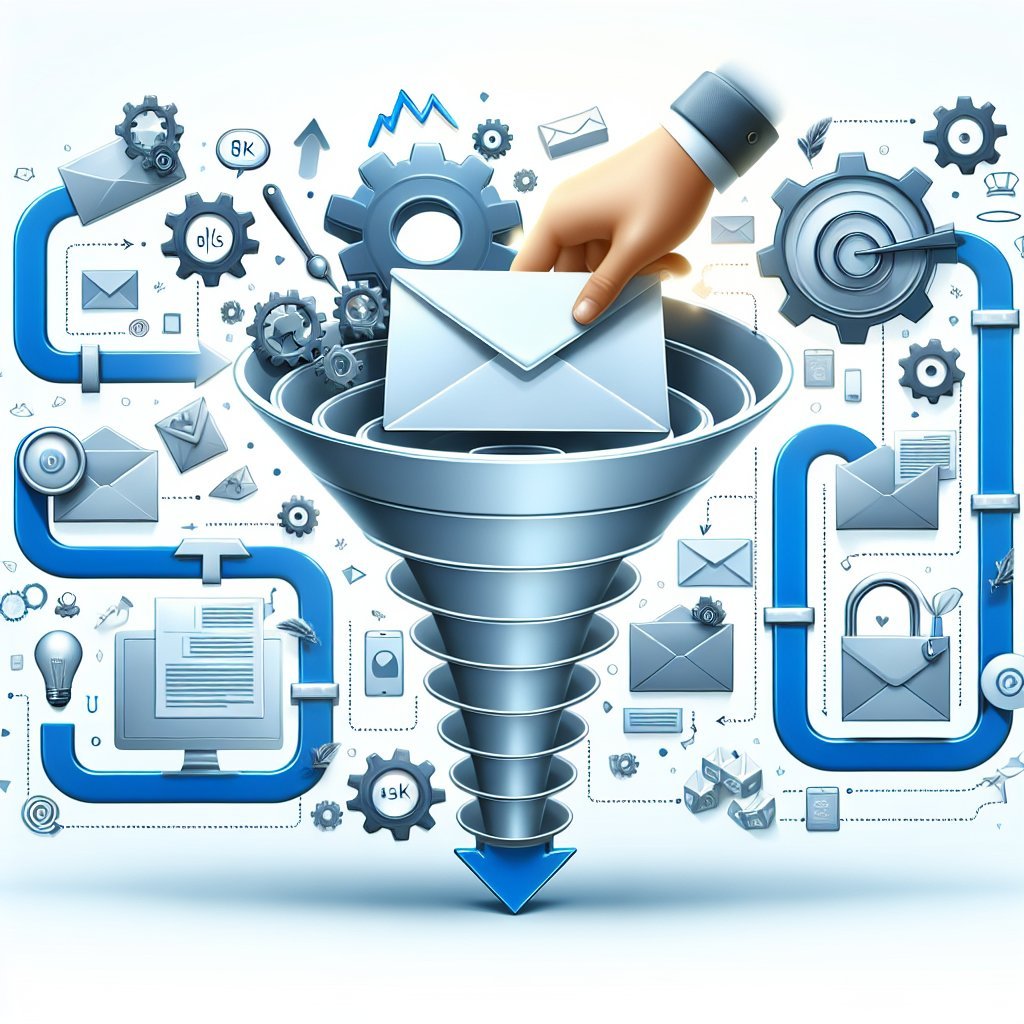
At its core, an email marketing funnel is a strategic process that guides potential customers through a series of stages, from initial awareness to final conversion. This journey leverages the power of well-crafted email communications to nurture leads, engage customers, and ultimately drive sales. The funnel consists of several stages, each tailored to match the specific needs and behaviors of the audience.
The Stages of the Email Marketing Funnel
-
Awareness Stage: Capturing Attention
In the awareness stage, the goal is to capture the attention of potential leads. At this juncture, prospects may not know your brand or offerings. Engaging content is essential to draw them in. Here are key strategies to implement:
- Lead Magnets: Offer value through free resources such as eBooks, whitepapers, or checklists. These documents should address common pain points and demonstrate your expertise.
- Landing Pages: Create dedicated landing pages that highlight the value of your lead magnets. Use compelling headlines and clear CTAs (Call-to-Actions) to encourage sign-ups.
- Social Media Teasers: Promote your lead magnets through social media, directing traffic to your landing pages. Engaging posts that link back to these resources can attract a wider audience.
-
Interest Stage: Building Engagement
Once prospects are aware of your brand, the next stage is to build interest through personalized and engaging content. This is where segmentation becomes critical.
- Segment Your List: Use data to segment your audience based on demographics, behaviors, and interests. This allows for more targeted messaging.
- Nurture Emails: Develop a series of nurture emails that provide additional value. Share helpful tips, articles, or exclusive information that aligns with the interests of each segment.
- Storytelling: Utilize the power of storytelling to create an emotional connection. Highlight customer success stories and testimonials that resonate with the audience.
-
Consideration Stage: Nurturing Relationships
During the consideration stage, leads are evaluating whether to choose your brand over competitors. Your emails should facilitate this decision-making process.
- Informative Content: Send product-focused emails that provide detailed information about your offerings, including features and benefits.
- Webinars and Demos: Offer live demonstrations or webinars that allow potential customers to engage with your products. This interactive element helps build trust and authority.
- Comparison Guides: Create comparison guides that highlight why your products are superior. This transparency helps potential leads in their evaluation phase.
-
Intent Stage: Encouraging Action
Leads in the intent stage are on the brink of making a purchase. It’s crucial to provide the right motivation to convert.
- Limited-Time Offers: Utilize urgency by offering limited-time discounts or bonuses. Scarcity can prompt quick purchasing decisions.
- Personalized Recommendations: Leverage past interactions or browsing behavior to provide personalized product recommendations. This adds a layer of relevance that can drive conversions.
- Customer Reviews and Social Proof: Incorporate customer reviews and testimonials within your emails. Social proof reassures prospects and validates their choice.
-
Purchase Stage: Finalizing the Sale
At this point, the objective is to finalize the sale by simplifying the purchasing process.
- Clear Call-to-Actions: Ensure your email CTAs are compelling and easy to understand. Use action-oriented language that prompts quick responses.
- Follow-Up Emails: After the initial purchase, send follow-up emails thanking customers and confirming their orders. This reinforces the brand’s commitment to customer satisfaction.
- Cross-Selling and Upselling: Use post-purchase emails to suggest related products or upgrades, enhancing the customer’s experience while increasing your average order value.
-
Loyalty Stage: Fostering Repeat Business
After a successful purchase, the relationship should evolve into one of loyalty. This stage aims to retain customers and turn them into brand advocates.
- Loyalty Programs: Introduce loyalty or referral programs that reward repeat purchases or customer referrals. This incentivizes ongoing engagement.
- Exclusive Content: Share exclusive deals, content, or early access to new products via email. Creating a sense of belonging fosters loyalty.
- Feedback Requests: Solicit feedback from customers to show that their opinions matter. Use surveys or polls to gain insights on their experiences.
Best Practices for an Effective Email Marketing Funnel
-
A/B Testing: Continuously test various subject lines, email formats, and content types to identify what resonates best with your audience.
-
Consistent Branding: Maintain a consistent brand voice and visual identity across all emails to build recognition and trust.
-
Mobile Optimization: Ensure your emails are optimized for mobile devices, as a significant portion of users access emails on their smartphones.
-
Analytics and Metrics: Measure key performance indicators (KPIs) such as open rates, click-through rates, and conversion rates. Analyze this data to fine-tune your funnel.
- Compliance with Regulations: Always adhere to email marketing regulations like GDPR and CAN-SPAM. Ensure subscribers can easily opt out of communications.
Conclusion
By understanding and implementing the email marketing funnel, businesses can effectively engage their audience at every stage of the buying journey. With a structured approach, tailored content, and ongoing optimization, you can turn prospects into loyal customers, maximizing the return on your email marketing efforts.