
Understanding Audience Segmentation in Email Marketing
Email marketing remains one of the most effective strategies for businesses to engage with their audiences. Central to successful email campaigns is the notion of segmentation. This strategy enables marketers to target specific audience groups with tailored messages, enhancing the likelihood of engagement and conversions.
What is Email Segmentation?
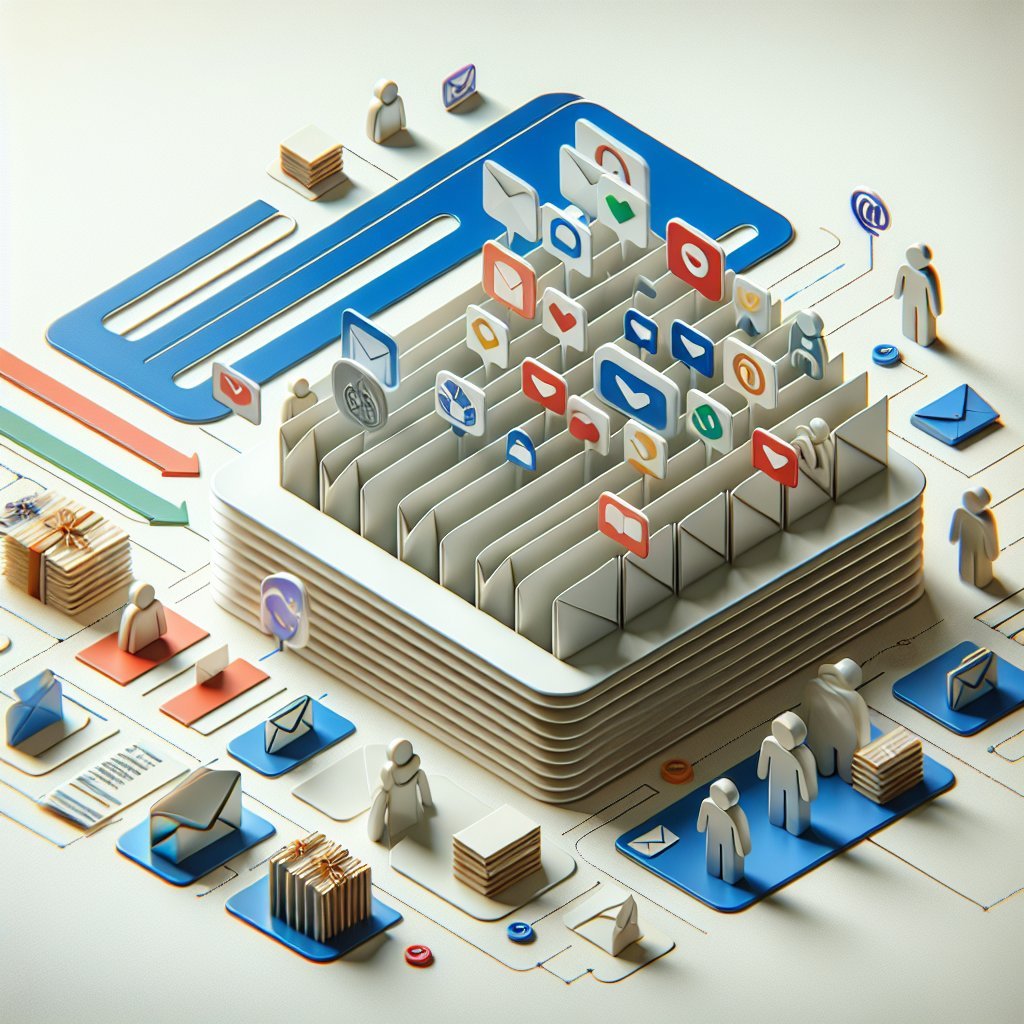
Email segmentation involves dividing a broader email list into smaller, more targeted groups. These groups are based on various criteria such as demographics, behavior, purchase history, and preferences. This tailored approach is designed to increase relevancy, ensuring that the messages resonated with the recipients.
Benefits of Email Segmentation
-
Increased Engagement: Personalized emails yield considerably higher open and click-through rates. By sending relevant content to the right audience, businesses can capture attention and drive action.
-
Better Conversion Rates: Tailored messages that meet specific needs often lead to increased sales and customer acquisition, as tailored promotions resonate more strongly with recipients.
- Lower Unsubscribe Rates: When subscribers receive content that aligns with their interests, they are less likely to opt out of your mailing list.
Key Segmentation Strategies
-
Demographic Segmentation
Demographics include age, gender, income, and education level. By capturing demographic data during the signup process or through forms, marketers can segment their lists effectively. For example, a luxury brand may target high-income individuals with exclusive offers.
-
Geographic Segmentation
Geographic segmentation focuses on the physical locations of your subscribers. This is particularly useful for businesses with local offerings. For instance, a restaurant chain can send different email campaigns to customers in various regions to promote location-specific deals or events.
-
Behavioral Segmentation
Understanding how users interact with your emails and website allows marketers to create targeted campaigns based on user behavior. For example, subscribers who click on certain links can be identified and subsequently targeted with similar content or product recommendations.
-
Psychographic Segmentation
This approach delves deeper than demographics, focusing on the attitudes, interests, and values of subscribers. Conducting surveys can help gather psychographic information, allowing for tailored content that speaks to subscriber motivations.
-
Purchase History Segmentation
Using data from past purchases can create opportunities for cross-selling and upselling. For example, if a customer previously purchased running shoes, they can be targeted with an email offering complementary athletic gear.
-
Engagement Segmentation
This strategy involves segmenting your email list based on engagement levels. Active subscribers who consistently open emails can be targeted with loyalty rewards, while inactive subscribers should receive re-engagement campaigns that entice them to return.
Tools for Effective Segmentation
-
Email Marketing Software
Utilizing platforms like Mailchimp, Constant Contact, or HubSpot can simplify the segmentation process. These tools often feature built-in analytics to assess performance and refine strategies.
-
Customer Relationship Management (CRM) Systems
Integrating CRM systems allows marketers to gather and analyze customer data more comprehensively. This helps create more nuanced segments based on a variety of customer interactions.
-
Data Analytics Tools
Using analytics tools like Google Analytics can provide insights into user behavior on your website, facilitating a deeper understanding of patterns that can inform segmentation strategies.
Crafting Tailored Messages for Segments
Once your audience is segmented, the next step is crafting targeted email content. Personalized messaging can significantly impact performance metrics.
-
Personalization Tokens
Utilize personalization tokens to address recipients by their name, and consider including customized product recommendations based on their previous interactions or purchases.
-
Dynamic Content
Incorporating dynamic content within emails allows you to tailor portions of your email based on the recipient segment. For example, showing different product images or promotions based on user preferences can enhance relevance.
-
Segment-Specific Language and Tone
Adjusting the tone of your emails based on the segment can enhance relatability. For instance, a casual, fun tone may resonate with younger audiences, whereas more formal language might be better suited for professional consumers.
Testing and Optimizing Segmentation Strategies
Email segmentation is not a one-time task but requires continuous testing and optimization.
-
A/B Testing
Conduct A/B testing within segments to determine which subject lines, content types, and calls to action yield the best results. Monitor metrics such as open rates and conversions to inform future strategies.
-
Feedback Loops
Encourage feedback from your subscribers through surveys to understand their preferences better. Regularly updating your segmentation criteria based on subscriber feedback ensures continued relevancy.
-
Monitor Engagement Metrics
Regularly reviewing engagement metrics such as open rates, click-through rates, and conversion rates allows marketers to assess the effectiveness of their segmentation efforts. Adjust strategies accordingly to improve engagement levels.
Importance of Compliance with Regulations
While segmentation is pivotal, it’s equally essential to adhere to email marketing regulations such as GDPR or CAN-SPAM. Respecting privacy and data protection laws builds trust and ensures compliance.
Building Your Email List for Effective Segmentation
To implement email segmentation effectively, it is crucial to build a qualitative email list. Here are strategies to gather details:
-
Opt-In Forms
Create engaging opt-in forms on your website that encourage users to provide essential information, such as preferences and interests.
-
Exclusive Offers
Provide exclusive content or discounts in exchange for subscribers’ specific preferences, allowing for better segmentation from the get-go.
-
Social Media Integration
Promote your email newsletter on social media platforms, incentivizing followers to subscribe and share their preferences for a tailored experience.
By employing these segmentation strategies, businesses can significantly enhance their email marketing efforts, creating campaigns that speak directly to the needs and interests of their audience. The result is a more engaged customer base, increased conversions, and higher customer satisfaction.