
Essential Elements of a Human-Centered Graphic Design Workspace
1. Ergonomic Furniture
A human-centered graphic design workspace requires furniture that promotes health and comfort. Ergonomic chairs are essential, offering lumbar support that helps maintain spinal health during long working hours. Height-adjustable desks allow designers to alternate between sitting and standing, reducing the risks associated with sedentary behavior. The use of an anti-fatigue mat when standing can also enhance comfort, encouraging longer periods of productivity.
2. Adequate Lighting
Proper lighting is critical in a graphic design workspace, impacting both mood and productivity. Natural light is ideal, as it reduces eye strain and enhances creativity. Incorporating large windows or adjustable blinds can maintain appropriate light levels throughout the day. Task lighting should complement natural light, providing focused illumination for detailed work. LED lights are energy-efficient and can be adjusted to different color temperatures to create an atmosphere that boosts concentration or calmness as needed.
3. Creative Space Configuration
The layout of a workspace significantly influences collaborative efforts and individual creativity. An open floor plan encourages brainstorming and teamwork, while designated quiet zones allow for focused work. Integrating movable partitions enables teams to adapt the space according to project needs. Comfort zones with soft seating invite informal discussions, while standing tables can spark new ideas through spontaneous collaboration.
4. Technology Integration
The inclusion of modern technology enhances a designer’s workflow. High-resolution monitors and dual-screen setups provide ample workspace and improve multitasking efficiency. Up-to-date graphic design software is crucial, as it offers advanced tools and resources. Seamless connectivity for different devices, such as tablets and smartphones, ensures that designers have their work at their fingertips, no matter where they are in the office.
5. Personalization Options
Allowing designers to personalize their workspaces fosters a sense of ownership and belonging. Options might include customizing desk decorations, adjusting workspace temperature, and using color and themes that resonate personally. Bringing in personal items, such as photographs, artwork, or plants, can inject personality into the space, which in turn stimulates creativity and contributes to job satisfaction.
6. Collaboration Areas
Creative work often requires collaboration; thus, designated collaboration zones are vital. These areas should be equipped with whiteboards, writable walls, or collaborative software tools. Comfortable furniture and flexible seating arrangements will promote brainstorming sessions and discussions. Integrating technology into these spaces with screens that project ideas or presentations can further enhance collaborative efforts.
7. Wellness Initiatives
Incorporating wellness initiatives within the workspace goes beyond ergonomic chairs. Designing spaces that allow for movement, such as walking paths or open areas for quick stretches, can break the monotony of sitting. Providing access to wellness resources, such as yoga classes, meditation spaces, or mental health support, establishes a culture that values employee well-being as integral to creative performance.
8. Sound Management
Noise can be a significant distraction in a graphic design environment. Therefore, a human-centered workspace should incorporate sound management strategies. Acoustic panels and sound-absorbing materials can minimize ambient noise. For collaborative zones, designate areas for discussion while maintaining silence in focused workspaces. Additionally, offering noise-canceling headphones can help designers find their ideal sound environment.
9. Storage Solutions
Effective storage solutions are essential in any workspace, particularly in graphic design, where multiple projects and documents abound. Modular storage units enable easy organization and quick access to materials. Providing both open and closed storage options allows for visibility of tools while keeping sensitive documents secure. Labeling systems can enhance organization, ensuring that designers can find resources without wasting time searching.
10. Inspirational Elements
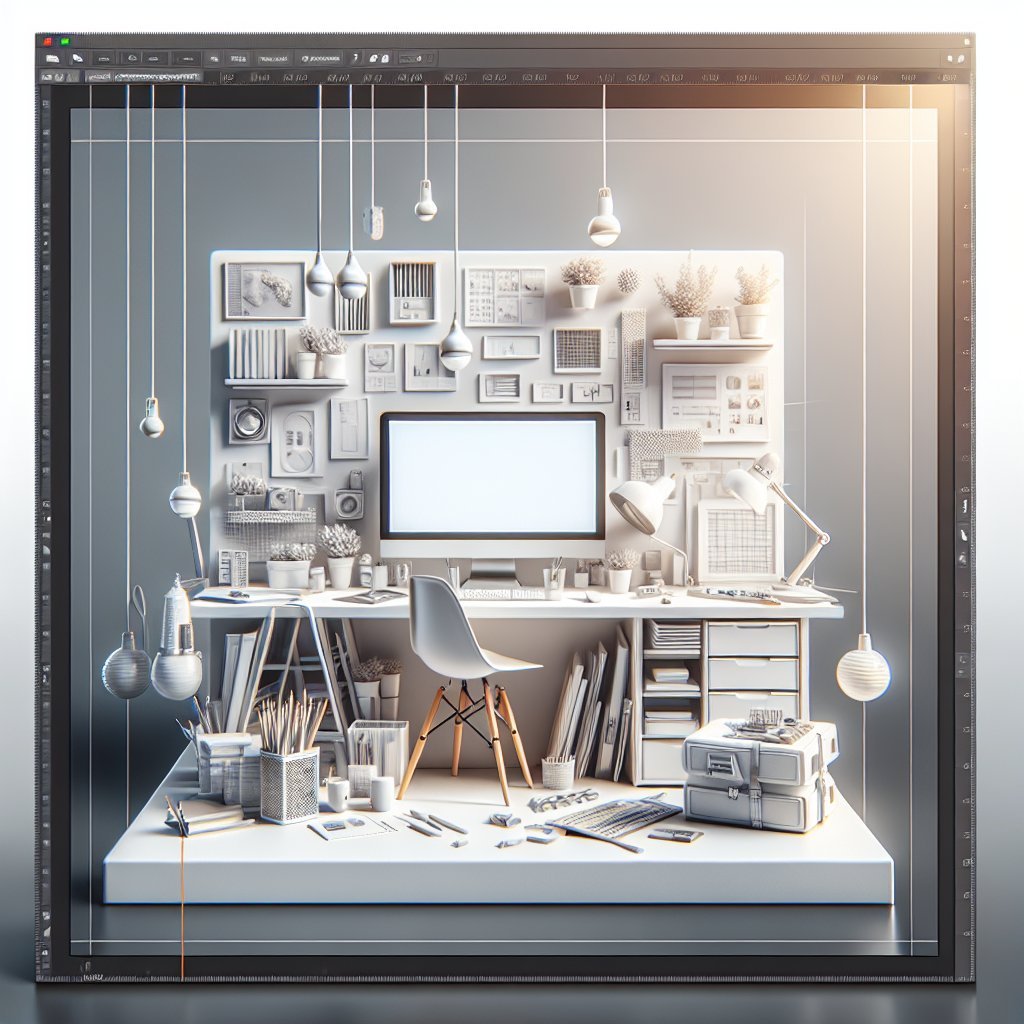
Incorporating inspirational elements into the workspace can boost morale and creativity. Wall murals or artwork that resonates with the company’s ethos can serve as constant motivation. Rotating displays of designers’ work can foster pride and inspiration among team members. Inspirational quotes, particularly those that emphasize creativity and innovation, can be strategically placed around the workspace to evoke motivation when needed.
11. Break Areas
Designers need regular breaks to recharge and maintain productivity. A well-designed break area stocked with snacks, drinks, and comfortable seating provides a necessary retreat. Outdoor spaces for fresh air can also invigorate team dynamics. Games, books, or other leisure activities in the break area can further encourage relaxation, leading to improved focus when designers return to their tasks.
12. Technology Support
A dedicated tech support team can streamline workflow and provide immediate assistance for any technical issues that arise. Access to a robust IT department ensures that designers can concentrate on their work instead of troubleshooting technical problems. Regular training sessions on new software updates or design trends can keep the team proficient and inspired, fostering a continual culture of growth.
13. Accessibility Features
Creating an inclusive workspace is essential for accommodating diverse teams. Accessibility features should include adjustable desks for those with mobility limitations, wide corridors for easy navigation, and resources in multiple formats. Clear signage can aid navigation, ensuring that everyone feels welcome and supported, which directly enhances collaborative efforts and overall productivity.
14. Sustainable Practices
Incorporating sustainable practices not only benefits the environment but also resonates with creative individuals who value eco-friendliness. Using recycled materials for office supplies and furniture, implementing energy-efficient lighting solutions, and promoting digital documentation greatly reduce waste. Encouraging a culture of sustainability can enhance team pride and commitment to socially responsible design practices.
15. Feedback Systems
A structured feedback system allows designers to share their opinions and suggestions regarding workspace improvements. Regular surveys or feedback sessions can uncover hidden issues and allow for iterative enhancements to the workspace. Actively engaging employees in the decision-making process fosters a sense of ownership and accountability, ultimately leading to a more productive and satisfied workforce.
16. Flexibility
Flexibility in the workspace facilitates adaptation to changing workforce dynamics. Embracing hybrid models that accommodate both in-office and remote work creates an environment that supports work-life balance and individual preferences. The inclusion of shared working hours, flexible scheduling, and remote collaboration tools ensures that all team members can work within their preferred environments while maintaining connectivity.
17. Community Engagement
Building a sense of community within the workspace can significantly enhance team cohesion. Organizing regular team-building activities and workshops contributes to stronger interpersonal relationships among coworkers. Inviting guest speakers from the graphic design industry can spark fresh ideas and foster inspiration. Creating a social calendar that includes themed events and outings encourages collaboration outside of work tasks.
18. Open Communication Lines
Establishing open communication lines is crucial in a human-centered graphic design workspace. Regular check-ins and team meetings promote transparency and ensure alignment in project goals. Utilizing digital tools for communication allows for quick interaction, further enhancing collaboration. Creating an environment where designers feel comfortable sharing ideas and concerns fosters a culture of creativity and innovation.
Implementing these essential elements in a human-centered graphic design workspace creates an environment that nurtures creativity, collaboration, and productivity. By emphasizing comfort, accessibility, and aesthetics, organizations can inspire their designers to produce exceptional work and maintain high levels of motivation and satisfaction. Promoting a culture that values both individual creativity and team collaboration is fundamental in today’s ever-evolving design landscape.