
Efficient, comfortable, and inspiring home offices can be achieved on a budget by focusing on layout, lighting, ergonomics, storage, and aesthetics tailored to designers’ workflows.
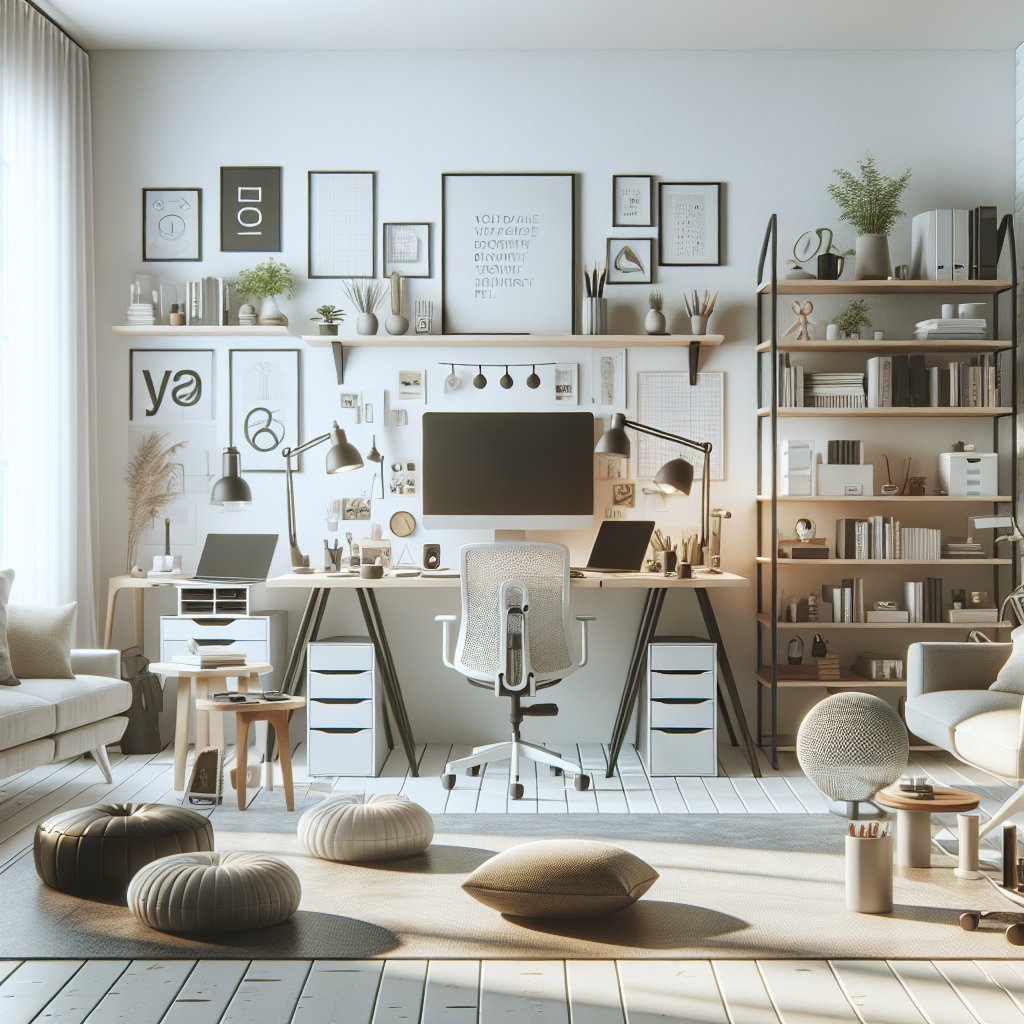
Workspace zoning: define functional areas for digital work, sketching, and materials to reduce clutter and keep the creative process efficient. Use a compact desk with an adjustable height mechanism if possible; secondhand or DIY desks made from reclaimed wood and metal legs provide durability and character for less.
Positioning matters: place your desk near a window for natural light while avoiding direct glare on screens; use sheer curtains or adjustable blinds to control brightness.
Layer lighting: combine task lamps, ambient fixtures, and accent lights to maintain color accuracy and reduce eye strain; opt for LED bulbs with CRI above 90 and adjustable color temperature.
Ergonomics on a budget: choose an affordable ergonomic chair with lumbar support or enhance a basic chair with a lumbar cushion and seat pad; maintain a neutral wrist position using a keyboard tray or a stand.
Monitor placement: set your main monitor at eye level about an arm’s length away; consider a VESA-compatible monitor arm purchased used to free desk space and allow flexible positioning.
Cable management: use adhesive cable channels, zip ties, and a simple power strip under the desk to declutter; label cables for quick troubleshooting and to prevent accidental unplugging.
Smart storage: combine vertical shelving, pegboards, and rolling carts to store tools, swatches, and prototypes; repurpose kitchen canisters, magazine holders, or art supply organizers to lower costs.
Color and texture: choose a limited palette that supports concentration—soft neutrals with one or two saturated accents; add texture through fabrics, rugs, and plants to create depth without expense.
Mood board wall: dedicate a small wall or corkboard as a rotating inspiration space; use printed images, fabric swatches, and color chips to keep projects visible and ideation continuous.
Acoustic solutions: reduce echo with inexpensive rugs, curtains, and bookshelves; strategically placed foam panels or DIY panels made from rockwool wrapped in fabric improve call audio and concentration.
DIY and secondhand sourcing: hunt on local marketplaces, thrift stores, and community swaps for unique pieces; sanding and refinishing or reupholstering can transform budget finds into premium-looking elements.
Tech essentials: prioritize a reliable internet connection, an external hard drive or cloud backup, and color-calibrated monitor tools; free or low-cost software like GIMP, Krita, and Blender provide professional capabilities.
Time management and rituals: establish morning setup and evening shutdown routines to separate work from life; set a visible schedule or time-blocking board to protect deep work and client hours.
Scale models and materials: store small samples in labeled shallow drawers or modular trays; vertical file organizers work well for large paper, while cheap photo boxes keep small swatches and sketches organized.
Biophilic touches: add low-maintenance plants like pothos, snake plant, or ZZ to boost air quality and creativity; place them near work zones for visual breaks and improved wellbeing.
Workspace personalization: display a few meaningful objects or a curated color strip to maintain identity without visual noise; rotate items seasonally to refresh the space cheaply.
Cross-functional furniture: choose pieces that double as client display surfaces, storage, or meeting tables; foldable or nesting furniture saves floor area and adapts to different project phases.
Lighting for photography: if you photograph work, create a simple lightbox using foam core and daylight bulbs; a neutral background, tripod, and consistent white balance produce portfolio-ready images.
Budget-friendly color calibration: calibrate monitors using free software and inexpensive colorimeters; maintain color profiles across devices to ensure accurate client presentations.
Optimize for meetings: set a tidy, branded backdrop—simple shelving, a plant, and a well-lit area convey professionalism; test audio and video settings before client calls to avoid interruptions.
Sustainable options: choose durable materials and energy-efficient devices to reduce replacement costs; salvaging and repurposing materials decreases waste and adds character.
Budget planning: create a prioritized list of purchases based on pain points—comfort, visibility, storage, and tech—and allocate funds to items that yield the biggest productivity gains.
Inspiration sourcing: follow designer-oriented blogs, social media, and affordable furniture brands for trends and sales; create a swipe file of looks you can realistically recreate within budget.
Measurement discipline: measure twice before buying; track dimensions of openings, desks, and storage and mock up layouts with paper or inexpensive tape to avoid costly mistakes.
Accessibility and inclusivity: design for varied clients and collaborators—ensure clear pathways, adjustable seating heights, and readable typography on presentations for broader usability.
Maintenance routine: schedule weekly 15-minute tidies and monthly audits of supplies; discarding obsolete items frees space and clarifies future purchasing decisions.
Client presentation tips: assemble a lightweight portfolio kit with printed samples, a tablet for digital walkthroughs, and a concise pitch; professional packaging elevates perceived value even with simple materials.
Continuous learning: invest time in online courses, tutorials, and community forums to improve techniques and discover budget-friendly tools; knowledge often trumps expensive hardware.
Collaboration corners: create a small flexible area with two chairs and a movable table for client meetings or co-working sessions; use collapsible furniture to transform the same space quickly between individual focus and collaborative mode.
Budget-driven upgrades: target one impactful upgrade every quarter—a quality monitor one quarter, an ergonomic chair the next—to spread costs and steadily improve the environment.
Lighting hacks: mount a clamp lamp to a shelf or wall to provide targeted task lighting without rewiring; reflectors made from poster board increase light spread for photography or detailed work.
Color psychology: use accent hues deliberately—greens and blues promote calm and focus, yellows stimulate creativity; apply bold colors sparingly to avoid visual fatigue during long design sessions.
Seasonal adjustments: swap textiles and plants seasonally to refresh mood and address changing daylight; light-colored textiles reflect winter light while breathable fabrics cool in summer.
Prototype and iterate: sketch multiple layouts and try temporary setups with cardboard or tape; living with a layout for a week reveals practical issues and informs affordable refinements.
Community resources: join local maker spaces or libraries to access tools, printers, and meeting rooms intermittently, reducing the need for expensive equipment.