
What is Synthesia AI? Synthesia is a leading platform for creating AI-generated video avatars that speak multiple languages from text input. It combines generative AI, neural rendering, and text-to-speech to produce professional-looking presenter videos without cameras, microphones, or studios. Teams use Synthesia for marketing, e-learning, internal communications, and customer support. Key features include realistic avatars, custom avatar creation, multilingual voice options, script editing, slide synchronisation, and API integrations.
Cost and pricing transparency Synthesia offers several pricing tiers tailored to individual creators, businesses, and enterprises. The entry-level plan provides access to template-based video creation with a set number of standard avatars and limited minutes. Mid-tier plans add custom avatars, advanced languages, higher resolution outputs, and commercial licensing. Enterprise plans offer dedicated support, single sign-on, bulk usage, and API access for automation. Consider the total cost: monthly subscription, pay-per-video elements, and additional fees for brand kit or custom voice cloning.
Quality of avatars and voices Realism varies across avatars. Pre-built avatars are polished, with natural facial expressions, mouth sync, and body language that suit corporate messages. Custom avatars—created from recorded footage—can be impressively lifelike, though results depend on input quality and lighting. Voice quality is strong: text-to-speech models support different accents, speech rates, and intonation controls. However, subtle human traits like micro-pauses, emotional depth, and spontaneous emphasis sometimes feel synthetic. For short explainer videos, onboarding clips, or standardized messaging, the quality is usually more than adequate.
Workflow and usability Synthesia’s interface is intuitive. Non-technical users can draft scripts, select avatars and voices, upload slides, and export MP4 or MP3 files in a few clicks. Useful extras include scene templates, background replacement, subtitles generation, and timing controls. Collaboration features allow multiple contributors to comment and revise scripts. The platform supports integrations with learning management systems and marketing stacks, smoothing distribution. Rendering times are reasonable but vary by resolution and server load; enterprise customers typically get priority processing.
Use cases and ROI Return on investment depends on volume, use case, and production alternatives. Companies replacing filmed shoots for frequent updates—training modules, compliance briefings, or global localized messaging—often shorten production time and lower recurring costs. Marketing teams value speed to market: a 2–5 minute avatar video can be created in hours versus days for live film. For low-volume, highly personalized campaigns, filmed spokespeople or influencers might deliver a stronger emotional connection. Measuring ROI requires tracking engagement, retention, and conversion against production costs and time saved.
Ethics, compliance, and brand safety Using AI avatars raises ethical and legal questions. Consent, rights to likeness, and transparent disclosure are essential when cloning real people or deploying realistic presenters. Synthesia provides consent workflows and watermarking options, but companies must ensure appropriate permissions and metadata indicating synthetic origin. Brand safety considerations include avoiding misinformation, ensuring accuracy of statements, and protecting sensitive data used in scripts. For regulated industries, audit trails, secure hosting, and access controls are critical to meet compliance obligations.
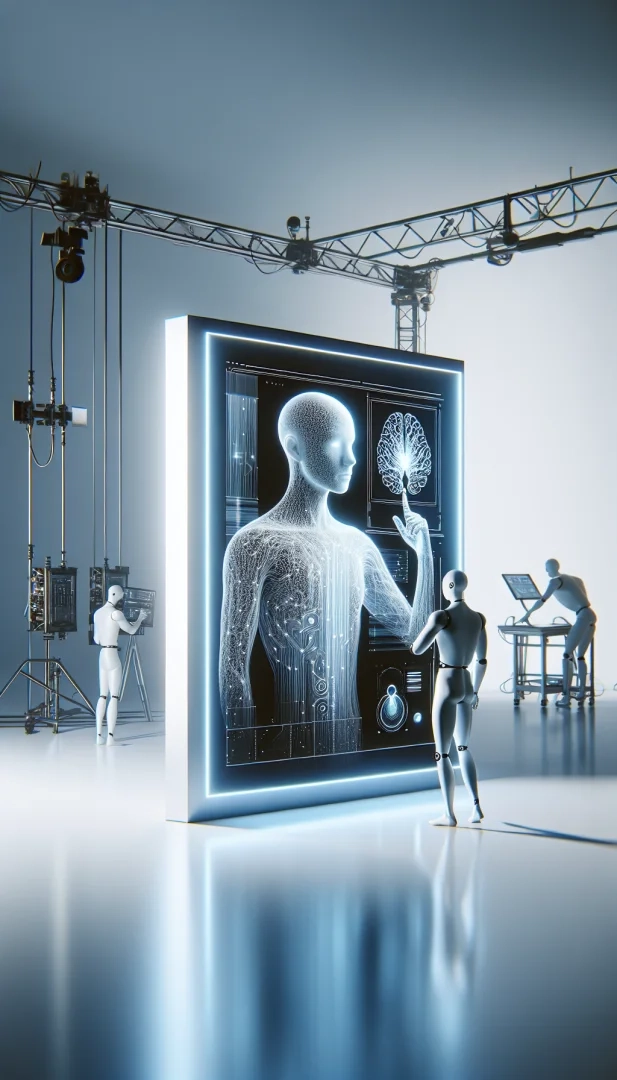
Alternatives and complementary tools Synthesia is one of several avatar vendors. Alternatives include DeepBrain, Rephrase.ai, Hour One, and bespoke studio solutions. Some tools emphasize hyper-realism while others prioritize low-cost scale or real-time interactivity. Complementary technologies—AI script assistants, voice cloning platforms, and video editors—can enhance outputs. Brands often use a hybrid approach: AI avatars for rapid standardized messaging and human presenters for emotional storytelling or flagship content.
Performance metrics to monitor To evaluate effectiveness, track metrics such as view completion rate, watch time, click-through rate, and conversion rate. For training, measure knowledge retention, assessment scores, and time-to-competency. A/B testing synthetic versus filmed content helps quantify viewer preference and behavior. Operational metrics include production time per video, cost per minute, and revision cycles. Collect qualitative feedback on trustworthiness and perceived authenticity to guide avatar selection and messaging tone.
Practical tips for adopting Synthesia 1. Start small: pilot a few modules to compare engagement and costs. 2. Standardize scripts: use templates and style guides to maintain brand voice. 3. Localize: leverage multilingual avatars to reach global audiences and A/B test regional variations. 4. Secure consent: document permissions when creating custom avatars. 5. Optimize for accessibility: add accurate captions and transcripts. 6. Monitor legal changes: regulations around synthetic media are evolving; stay informed.
Verdict: When AI avatars make sense Choose AI avatars when you need scalable, repeatable, and fast content production, especially for internal communications, standardized customer messaging, and rapid localization. Avoid synthetic presenters for high-stakes emotional narratives, nuanced negotiations, or situations requiring spontaneous empathy. Combine AI and human talent to maximize efficiency while retaining authenticity. Evaluate Synthesia against competitors for pricing, avatar realism, integration needs, and compliance features; run pilots with measurable KPIs to decide if AI avatars are worth the investment for your organization.
SEO considerations and content strategy When publishing avatar videos, optimise accompanying metadata for search engines and viewers. Use descriptive titles with target keywords, write detailed video descriptions with timestamps and transcript text, and add schema markup for videoContent. Host transcripts on the page to improve crawlability and include multilingual metadata for localized videos. Thumbnails should be clear, branded, and tested for higher click-through rates. Promote videos across email, social, and knowledge bases to increase watch time and user signals that influence ranking.
Frequently asked questions Can I create a custom avatar of my CEO? Yes, with explicit consent and high-quality footage you can create a custom avatar; follow Synthesia’s consent workflows and legal guidelines. How accurate are multilingual versions? Synthesia supports many languages with good lip-sync accuracy, but cultural adaptation and idiomatic phrasing require human review. Are there copyright risks? Using copyrighted scripts or training data can pose legal issues; always verify content rights. What technical skills are required? Minimal technical skill is needed for basic video creation; developers can use APIs for automation.
Adoption checklist Define goals, set KPIs, choose pilot content, secure permissions, test avatars across devices and regions, measure engagement vs filmed alternatives, document costs, and iterate based on results. Allocate budget for custom avatars, translations, and accessibility enhancements. Train teams on scripting best practices to preserve brand tone and clarity. Measure, refine, repeat.