
Core Capabilities of AI Personal Assistant Tools
Modern AI personal assistant tools combine natural language processing, automation, and integration features to simplify everyday tasks. These assistants understand voice and text commands, interpret context, and execute actions across multiple apps and devices. Their strength lies in quickly turning instructions into completed tasks, reducing manual effort and decision fatigue.
Most AI assistants focus on three cornerstone capabilities: information retrieval, task automation, and personalized recommendations. Information retrieval includes answering questions, summarizing content, and surfacing relevant data from emails, calendars, and documents. Task automation covers scheduling, reminders, messaging, and routine workflows. Personalized recommendations tailor suggestions based on past behavior, preferences, and real-time context such as location or time of day.
Cloud-based machine learning continually improves these tools. Over time, they learn user preferences—like ideal meeting times, preferred communication channels, or favorite services for food and travel. This ongoing refinement makes AI personal assistants more accurate and efficient with regular use, turning them into proactive helpers rather than passive tools.
Task and Time Management
One of the most valuable features of AI personal assistants is smart task and time management. These tools streamline how users organize their day, reducing the cognitive load of planning and prioritizing. They can create to-do lists, assign deadlines, and break complex projects into manageable steps using simple, natural language commands.
Calendar integration is central to this benefit. Assistants can schedule meetings, check availability across multiple calendars, suggest optimal time slots, and automatically add video conferencing links. They adjust for time zones, detect conflicts, and propose alternatives, eliminating back-and-forth emails. Many assistants also provide daily or weekly briefings summarizing upcoming events, deadlines, and priorities.
AI-based prioritization helps users focus on what matters most. Tools analyze patterns—such as which tasks often get postponed, who the most important contacts are, or which projects have fixed deadlines—and surface high-impact tasks first. Context-aware reminders trigger notifications based on location, time, or activity, ensuring key tasks are not forgotten. Over time, this leads to better time allocation, fewer missed commitments, and a more structured workday.
Communication and Collaboration Support
AI personal assistant tools significantly improve communication efficiency. They can draft, edit, and send emails or messages, using user-specific tone and style. Natural language generation capabilities transform short prompts into polished, professional correspondence, saving time and reducing friction in written communication.
Integration with collaboration platforms—such as Slack, Microsoft Teams, or project management tools—allows assistants to post updates, assign tasks, and retrieve project information. Users can ask for a summary of recent team activity, overdue tasks, or key decisions made in channel discussions. Some assistants can even join meetings, record notes, and produce action-item lists automatically after the call.
Language capabilities also enhance collaboration in global teams. Many assistants provide translation, transcription, and language correction, helping users communicate clearly across language barriers. By handling repetitive communication tasks and enabling quick access to shared information, AI personal assistants free time for higher-value collaboration, brainstorming, and strategic work.
Personalization and Context Awareness
Personalization is a hallmark of effective AI personal assistant tools. They maintain user profiles that include preferences, frequently used apps, typical work hours, and commonly visited locations. This data enables context-aware responses and proactive suggestions that feel tailored rather than generic.
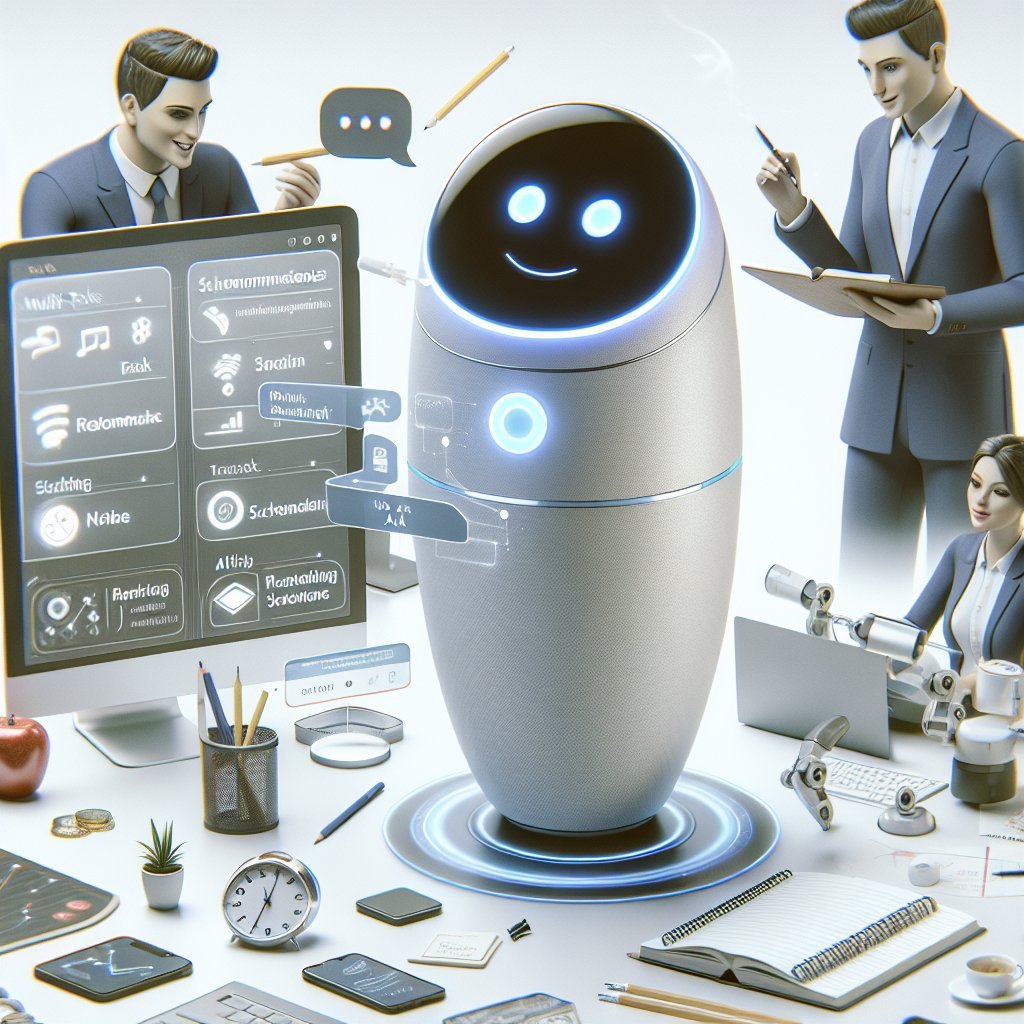
Context awareness extends beyond simple user preferences. Assistants can infer urgency from message content, recognize recurring patterns such as weekly meetings or regular purchases, and adjust notifications accordingly. They might delay non-urgent alerts during focus time, or surface relevant documents ahead of a scheduled meeting. Location-based context lets them offer directions, travel time estimates, or store-specific recommendations.
Behavior-driven personalization also increases relevance. Over time, the assistant learns which recommendations are accepted or ignored and fine-tunes future suggestions. For example, it can refine music or content suggestions, adjust preferred restaurants for reservations, or adapt writing style assistance based on user edits. This continuous learning loop is central to delivering a genuinely helpful, adaptive AI experience.
Integration With Apps, Devices, and Smart Homes
AI personal assistants deliver maximum value when they integrate deeply with existing digital ecosystems. Popular assistants connect with email, calendars, messaging apps, note-taking tools, file storage, CRM platforms, and smart home devices. This integration centralizes control, allowing users to manage many services through a single conversational interface.
On mobile and desktop devices, assistants can open apps, search files, initiate calls, or launch workflows. For professionals, connections to productivity suites and business tools enable automated reporting, lead follow-up, and data retrieval from CRM or analytics dashboards. Integration with payment services supports quick purchases, bill reminders, and expense tracking.
Smart home integration extends assistants into daily routines: controlling lights, thermostats, security systems, and entertainment devices via voice or app. Routines can bundle actions—for instance, a “morning” routine that adjusts temperature, reads news, lists calendar highlights, and starts coffee. This interoperability between digital and physical environments creates a seamless, automated user experience that saves both time and effort.
Security, Privacy, and Ethical Considerations
Because AI personal assistants handle sensitive personal and professional data, robust security and privacy protections are essential. Leading tools use encryption in transit and at rest, secure authentication methods, and fine-grained permission controls. Users can limit which apps and data sources the assistant can access, minimizing unnecessary data exposure.
Transparent data practices are increasingly important. Users should know what data is stored, how long it is retained, and whether it is used for model training. Many modern assistants offer on-device processing for certain tasks, reducing the need to send raw data to the cloud. Options to delete interaction histories, control voice recording storage, and disable specific features support stronger privacy management.
Ethical AI considerations go beyond technical safeguards. High-quality assistants are designed to avoid biased outputs, respect user autonomy, and provide clear explanations for actions when possible. Businesses adopting AI personal assistants must ensure compliance with regulations such as GDPR or CCPA, implement access controls, and provide staff training on responsible use. Prioritizing security and ethics builds user trust and long-term adoption.
Productivity, Well-Being, and Long-Term Benefits
The primary benefit of AI personal assistant tools is enhanced productivity, but their impact extends into well-being and long-term professional growth. By offloading routine, repetitive, and administrative tasks, users can dedicate more energy to creative, strategic, and interpersonal work that requires human judgment and empathy.
Assistants can support healthier work habits by encouraging breaks, flagging overloaded schedules, and suggesting focus blocks. Some tools track work patterns and highlight potential burnout risks, such as consistently long days or frequent after-hours communications. Gentle nudges to adjust workload or add buffer time between meetings contribute to more sustainable productivity.
Over the long term, AI personal assistants help users cultivate better organizational skills, clearer communication, and more intentional time management. They serve as a personal operations layer, keeping information organized, tasks visible, and commitments aligned with goals. For businesses and individuals alike, investing in these tools can lead to compound benefits: higher efficiency, reduced stress, stronger client and team relationships, and a more balanced, high-performing daily routine.