
Understanding AI Assistants for Daily Tasks
What are AI Assistants?
AI assistants are software applications powered by artificial intelligence designed to perform tasks or provide services for users. These digital helpers leverage natural language processing (NLP) and machine learning algorithms to understand user commands and deliver timely assistance. Common examples include Amazon Alexa, Google Assistant, and Apple’s Siri.
Features of AI Assistants
-
Voice Recognition: AI assistants use voice recognition technology to understand spoken commands, allowing users to interact hands-free.
-
Natural Language Processing: NLP enables AI assistants to interpret user queries more accurately and respond in a human-like manner.
-
Task Automation: AI can perform routine tasks such as setting reminders, managing calendars, and sending messages.
-
Integration with Smart Devices: Many AI assistants can control smart home devices, such as thermostats and lights, making everyday life more convenient.
- Personalization: Over time, AI assistants learn user preferences, allowing them to provide tailored recommendations for tasks, entertainment, and even shopping.
Benefits of AI Assistants in Daily Life
-
Time Management: AI assistants streamline daily routines by managing schedules, prompting users about appointments, and setting reminders. Instead of spending time organizing tasks, users can focus on more critical activities.
-
Increased Productivity: By allowing users to automate repetitive tasks, AI assistants free up time for more value-added activities. Users can delegate mundane chores, such as making grocery lists or scheduling meetings.
-
Efficient Information Retrieval: Need to know the weather, traffic updates, or the latest news? AI assistants can provide this information quickly, saving users the hassle of searching manually.
- Accessibility: AI assistants enhance accessibility for individuals with disabilities, enabling voice-operated functionality that can control devices and access information more easily.
Popular AI Assistants
-
Amazon Alexa: Known for its extensive smart home capabilities, Alexa connects with various device ecosystems. Users can create custom voice commands, known as “skills,” enhancing its versatility.
-
Google Assistant: Powerful and intuitive, Google Assistant integrates seamlessly with Google services like Google Calendar and Google Maps, making it a robust tool for maintaining organization.
-
Apple Siri: Tight integration with Apple devices allows Siri to coordinate activities across iPhones, iPads, and Macs effortlessly. Users can execute commands and ask questions, and Siri tailors its responses based on personal context.
- Microsoft Cortana: Known primarily for its enterprise applications, Cortana integrates with Microsoft Office services and offers productivity enhancements in workplace settings.
AI Assistants and Smart Home Technology
Smart home technology and AI assistants are vastly intertwined, creating a cohesive ecosystem that enhances home management.
-
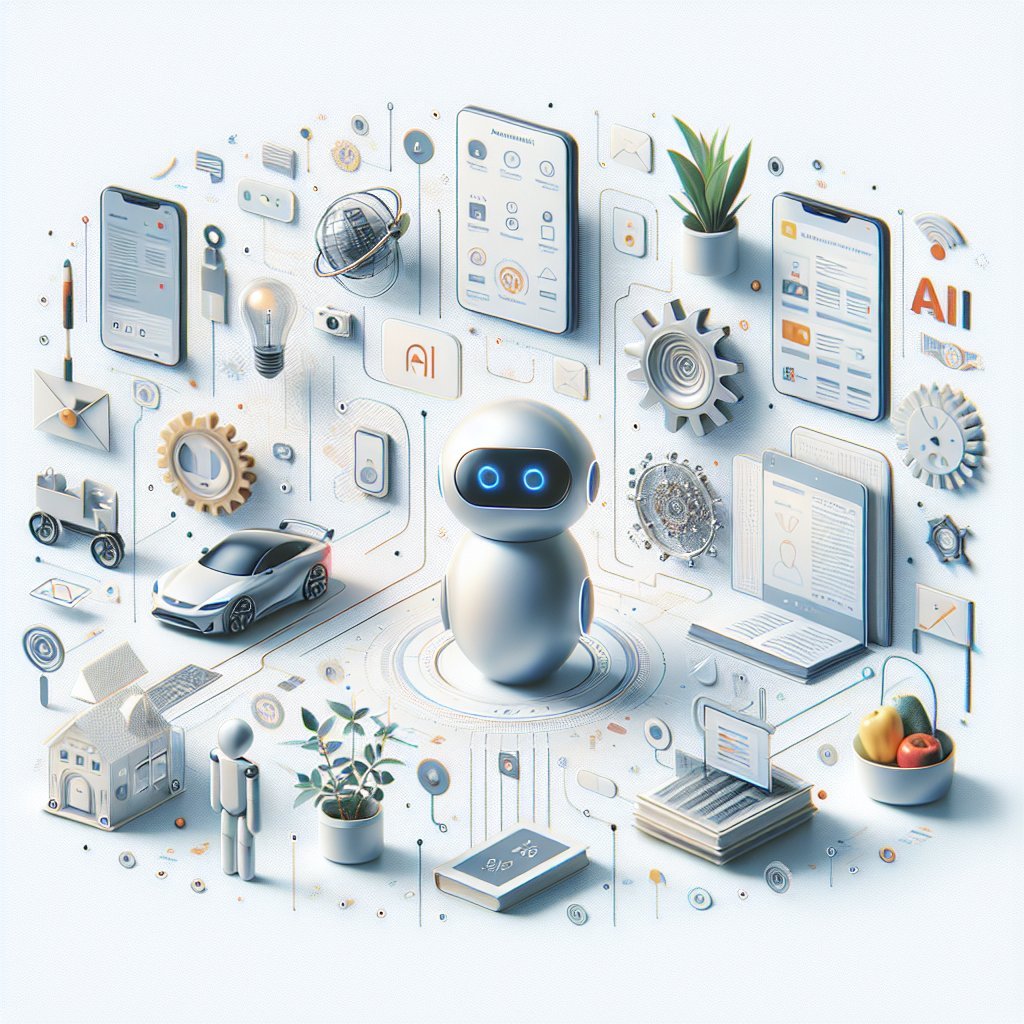
Device Control: Users can issue voice commands to control lights, locks, cameras, and home entertainment systems.
-
Security Features: AI assistants can manage smart security systems, providing users with real-time alerts and enabling remote monitoring of their homes.
-
Energy Efficiency: Smart thermostats can be programmed and adjusted via AI assistants, optimizing energy consumption and helping households save on bills.
- Routine Automation: Users can create routines that manage multiple devices at once, such as initiating a “Good Morning” routine that adjusts the thermostat, turns on lights, and provides news updates.
Challenges of AI Assistants
-
Privacy Concerns: Continuous voice listening raises alarms around privacy. Users must decide what data they are comfortable sharing with AI systems.
-
Dependency Issues: With increasing reliance on AI for everyday tasks, users may find it challenging to perform tasks manually when necessary.
- Limited Contextual Understanding: Despite advancements, AI assistants may still misunderstand complex commands, leading to frustrations with their effectiveness.
Future Trends in AI Assistants
-
Improved Context Awareness: Continued development in machine learning will lead to better contextual understanding, improving AI’s ability to follow multi-step commands.
-
Multimodal Interfaces: Future AI assistants will likely combine voice with visual interfaces, allowing users to receive information through both sounds and displays simultaneously.
-
Enhanced Personalization: As AI technology evolves, assistants will offer even more tailored experiences, adapting to individual preferences and habits to streamline usage.
- Expanded Integration: Future AI assistants may integrate not only with smart devices but also with transportation systems, health programs, and financial applications, offering users holistic management of their lifestyle.
Tips for Maximizing AI Assistant Efficiency
-
Set Up Routines: Users can create daily routines whereby AI assistants manage tasks based on their schedule. For example, an end-of-day routine might include shutting off lights and locking doors.
-
Utilize Reminders: Leverage the reminders feature for tasks ranging from medication schedules to picking up groceries; this will ensure nothing is forgotten.
-
Explore Skills and Apps: Familiarize yourself with additional skills and applications your AI assistant supports, potentially enhancing its utility beyond basic functions.
-
Regularly Update Settings: Keep the assistant’s settings updated to take advantage of the latest features, ensuring it operates efficiently and securely.
- Give Feedback: Providing positive or negative feedback when using voice commands helps improve the assistant’s responses over time.
AI assistants significantly alter how individuals approach daily tasks, allowing technology to enhance convenience and efficiency in modern lifestyles. By understanding their features, benefits, and limitations, users can maximize their potential, transforming how we manage time and prioritize tasks.
This article, featuring an exploration of AI assistants for daily tasks, serves as a resource for individuals seeking knowledge about these digital helpers’ capabilities and optimization strategies.