
The Future of Creative Work: AI as a Collaborative Partner
1. Defining AI in Creative Work
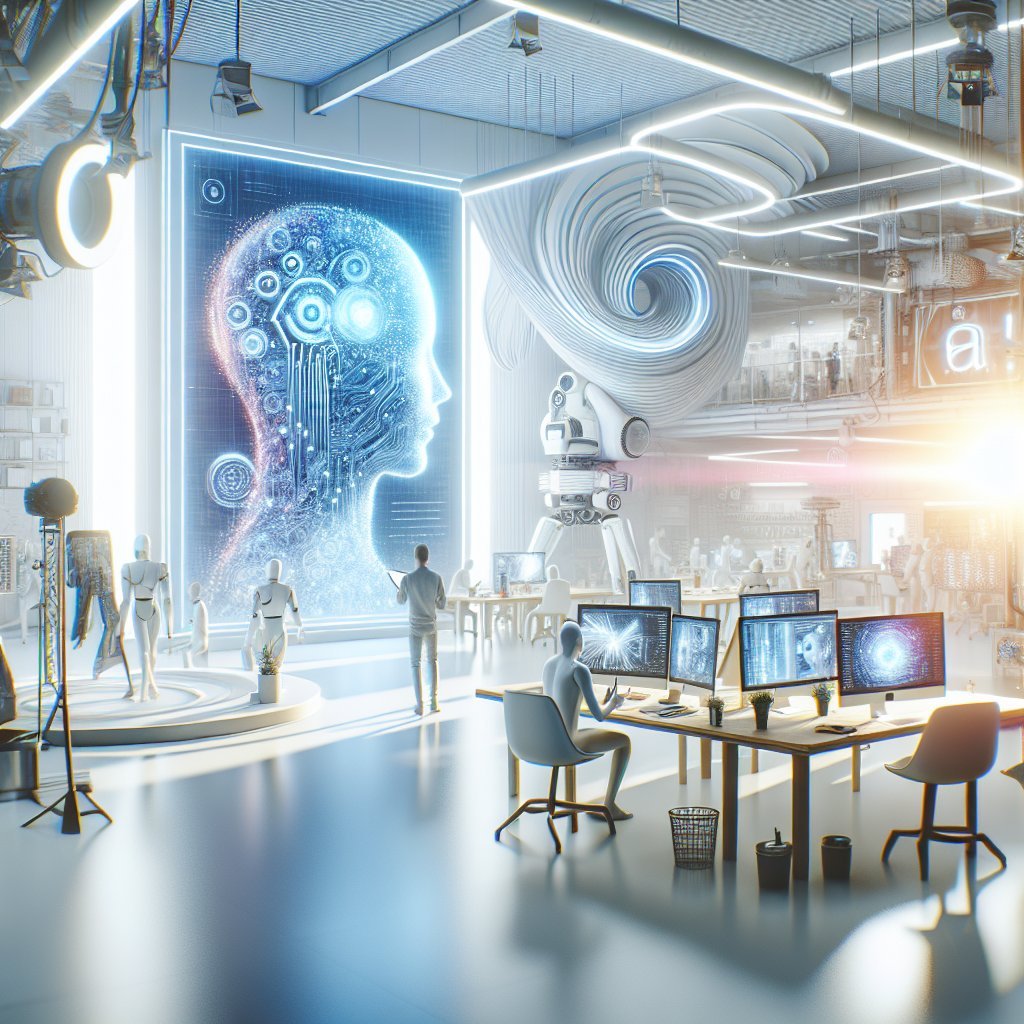
Artificial Intelligence (AI) has transcended its role as a mere tool, emerging as a collaborative partner in various creative fields. From graphic design to music composition, AI algorithms now assist creators by analyzing patterns, predicting trends, and even generating original content. This collaboration enables artists to push the boundaries of their capabilities, facilitating new forms of expression and innovation.
2. The Evolution of AI in Creative Fields
The integration of AI into creative workflows has progressed significantly in recent years. AI-driven tools have moved beyond simple automation tasks, evolving into sophisticated platforms that can generate detailed artwork, compose symphonies, and write articles. For instance, programs like DALL-E and Midjourney demonstrate AI’s ability to create stunning visual art from textual descriptions, signaling a transformative moment in creative processes.
3. Diverse Applications Across Creative Domains
AI’s versatility is evident across multiple creative domains.
-
Visual Arts: Artists use AI as a co-creator in generating unique pieces that blend human creativity with machine precision. Tools that analyze color schemes and composition allow artists to experiment with styles previously unconsidered.
-
Music Production: Platforms like AIVA and Amper Music enable musicians to compose entire orchestral scores or background music tracks, thus bridging classical music theory with contemporary digital practices.
- Writing and Content Generation: AI-assisted writing algorithms like OpenAI’s ChatGPT provide content suggestions, draft articles, or even create entire storylines, empowering writers to explore new narratives.
4. AI as a Trend Forecaster
AI’s predictive capabilities extend to trend forecasting within creative industries. By analyzing enormous datasets, AI tools can identify emerging patterns and preferences among audiences, helping creatives adapt their work to meet market demands. This agility fosters a more responsive creative environment, allowing artists to pivot dynamically and experiment with new ideas.
5. Enhancing Collaboration Between Artists and AI
The most productive partnerships between humans and AI emerge when both can fully leverage each other’s strengths. Visual artists, for instance, can use AI to explore complex visual concepts before committing to a final piece. Similarly, composers can use AI-generated samples or chord progressions as a foundation to build upon, adding their unique touch.
This kind of synergy encourages a workflow where AI does not overshadow human creativity but enhances it, leading to collaborative projects that merge the best of both worlds.
6. Ethical Considerations in AI-Created Work
As AI takes a prominent role in creative endeavors, ethical concerns arise regarding authorship, originality, and intellectual property. Questions surrounding the ownership of AI-generated art have sparked debates. Should the credit go to the programmer, the user, or the AI itself? Moreover, the risk of homogenization looms large, as mass AI-generated content may devalue original ideas.
Establishing policies and frameworks that address these concerns is critical for ensuring fair practices in this collaborative space.
7. Impact on Employment in Creative Industries
The advent of AI in creative spheres has led to mixed sentiments regarding job security. While some fear that AI will replace human creators, many industry experts argue that the introduction of AI into workflows will create new roles and evolve existing ones. Positions that require nuanced understanding, emotional intelligence, and human insight are unlikely to be replaced by machines.
8. Unlocking New Creative Potential
AI fosters innovation by allowing artists to step outside their comfort zones. With tools that provide novel suggestions or unexpected pathways, artists can explore an infinite array of possibilities. This hybrid creative process can lead to the emergence of entirely new art forms and styles—an exciting prospect for the art world.
9. Future Technologies to Watch
As technology continues to evolve, several advancements are on the horizon that could further revolutionize creative work:
-
Generative Design: Tools that employ AI to generate highly optimized design options based on specific parameters are becoming increasingly popular in architecture and product design.
-
Interactive AI: Future applications might integrate AI into real-time collaboration tools, allowing musicians and artists to hold “jam sessions” with AI in a manner similar to human collaboration.
- Advanced Neural Networks: Improved generative models could vastly enhance AI’s ability to understand and replicate complex human emotions in creative outputs.
10. Community and Collaboration in the Age of AI
Creating art has always been a communal activity, and AI’s emergence could strengthen these ties. Collaborative platforms powered by AI allow artists to connect, share ideas, and create together regardless of geographic boundaries. Open-source AI projects and creative commons licensing may spawn a new era of collaboration that promotes shared growth and collective advancement in the creative sector.
11. The Role of Education in AI Integration
Incorporating AI into art education will be crucial in shaping the future landscape of creative work. Educational institutions can introduce programs that not only teach the technical aspects of using AI tools but also instill critical thinking skills to navigate the ethical and creative challenges that arise.
Programs focused on interdisciplinary learning will encourage students to embrace both AI technology and their creative instincts, preparing the next generation of artists to thrive in a collaborative environment.
12. Preparing for an AI-Integrated Creative Future
As the creative ecosystem adapts to AI technologies, artists and creators will need to become proficient in utilizing these tools effectively. Continuous learning and adaptation will be essential skills, allowing individuals to evolve alongside technological advances. By embracing AI as a collaborative partner, creators can explore new horizons, driving forward innovation while retaining the essence of their artistic identities.
13. Conclusion
The future of creative work is bright and brimming with possibilities. Embracing AI as a collaborative partner unlocks creative potential that was previously unimaginable. While challenges and ethical dilemmas remain, the collaborative relationship between humans and AI promises to redefine artistry and creativity, harnessing the strengths of both to create a rich, diverse artistic landscape.